
What is cryptocurrency
The total crypto market volume over the last 24 hours is $193.24B, which makes a 64.27% increase. The total volume in DeFi is currently $43.54B, 22.53% of the total crypto market 24-hour volume https://magazroxik.info/rfa-mma/. The volume of all stable coins is now $182.75B, which is 94.57% of the total crypto market 24-hour volume.
In order to send and receive a cryptocurrency, you need a cryptocurrency wallet. A cryptocurrency wallet is software that manages private and public keys. In the case of Bitcoin, as long as you control the private key necessary to transact with your BTC, you can send your BTC to anyone in the world for any reason.
Play-to-earn (P2E) games, also known as GameFi, has emerged as an extremely popular category in the crypto space. It combines non-fungible tokens (NFT), in-game crypto tokens, decentralized finance (DeFi) elements and sometimes even metaverse applications. Players have an opportunity to generate revenue by giving their time (and sometimes capital) and playing these games.
Cryptocurrency
First, you need a cryptocurrency wallet, which is a digital wallet similar to a digital bank account, allowing you to receive, send and store cryptocurrencies. There are various wallets to choose from:
In March 2018, the city of Plattsburgh, New York put an 18-month moratorium on all cryptocurrency mining in an effort to preserve natural resources and the «character and direction» of the city. In 2021, Kazakhstan became the second-biggest crypto-currency mining country, producing 18.1% of the global exahash rate. The country built a compound containing 50,000 computers near Ekibastuz.
The total crypto market volume over the last 24 hours is $193.24B, which makes a 64.27% increase. The total volume in DeFi is currently $43.54B, 22.53% of the total crypto market 24-hour volume. The volume of all stable coins is now $182.75B, which is 94.57% of the total crypto market 24-hour volume.
Welcome to CoinMarketCap.com! This site was founded in May 2013 by Brandon Chez to provide up-to-date cryptocurrency prices, charts and data about the emerging cryptocurrency markets. Since then, the world of blockchain and cryptocurrency has grown exponentially and we are very proud to have grown with it. We take our data very seriously and we do not change our data to fit any narrative: we stand for accurately, timely and unbiased information.
In theory, cryptocurrencies are meant to be decentralized, their wealth distributed between many parties on a blockchain. Ownership is becoming more concentrated, as witnessed by companies purchasing and holding them for price appreciation and investment fund managers buying them to hold in their funds.
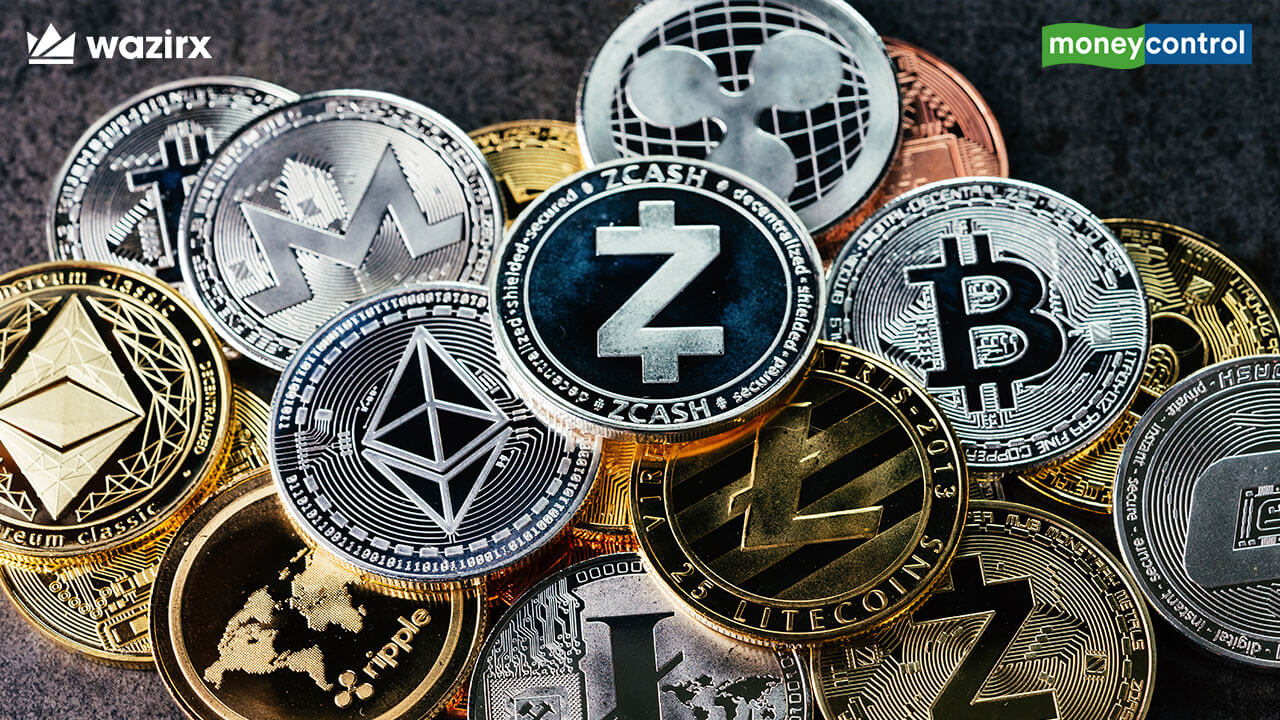
Cryptocurrency market
Top cryptocurrencies such as Bitcoin and Ethereum employ a permissionless design, in which anyone can participate in the process of establishing consensus regarding the current state of the ledger. This enables a high degree of decentralization and resiliency, making it very difficult for a single entity to arbitrarily change the history of transactions.
Crypto prices are calculated by averaging cryptocurrency exchange rates on different cryptocurrency trading platforms. This way, we can determine an average price that reflects cryptocurrency market conditions as accurately as possible.
A cryptocurrency’s market cap increases when its price per unit increases. Alternatively, an increase in circulating supply can also lead to an increase in market cap. However, an increase in supply also tends to lead to a lower price per unit, and the two cancel each other out to a large extent. In practice, an increase in price per unit is the main way in which a cryptocurrency’s market cap grows.
The very first cryptocurrency was Bitcoin. Since it is open source, it is possible for other people to use the majority of the code, make a few changes and then launch their own separate currency. Many people have done exactly this. Some of these coins are very similar to Bitcoin, with just one or two amended features (such as Litecoin), while others are very different, with varying models of security, issuance and governance. However, they all share the same moniker — every coin issued after Bitcoin is considered to be an altcoin.