
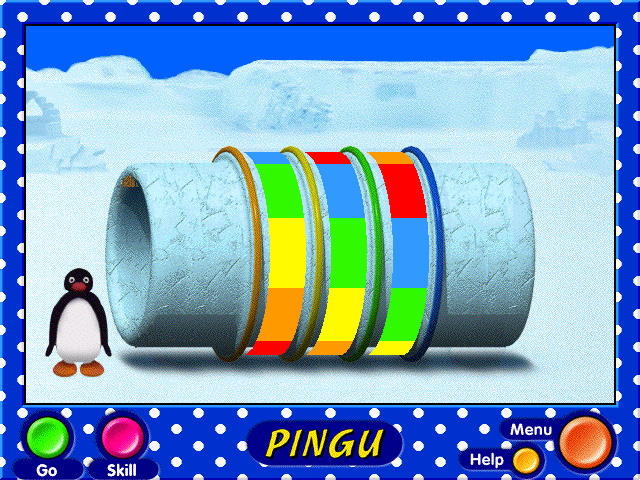
The developer commentary for Pengu Sport discloses essential comprehensions into the game’s structure and player engagement strategy. By reviewing the obstacles the team faced, such as equalizing gameplay systems and refining character motions, one acquires an understanding for the complex development process. Additionally, the focus on community input illustrates an evolving relationship between developers and players. This raises queries about how player input will affect future updates and improvements for this distinctively crafted game. Pengu Sport Game
The Development Path of Pengu Sport
As the developers started on the path to create Pengu Sport, they dealt with a multitude of obstacles that tested their ingenuity and technological skills. Early on, creating a engaging art style became essential, demanding them to equalize visual charm with performance. They carried out extensive user study to identify target audience anticipations, integrating responses to refine the gaming journey. Technical hurdles arose as well, particularly in enhancing gameplay systems for different platforms while ensuring smooth animations. The development team used versatile methodologies, fostering frequent updates and versatility during the process. Collaborative collaboration among artists, programmers, and designers enabled the team to align their vision, eventually culminating in a integrated product that aligned with prospective players, illustrating their dedication to a refined gaming experience.
Key Gameplay Systems Outlined
While many athletic games focus on realistic mechanics, Pengu Sport sets itself apart with a distinctive blend of innovative gameplay features that enhance player engagement. The game utilizes an adjustable physics engine, which allows for flexible interactions among players, making each match feel unique. Additionally, players can customize their characters with skill sets that evolve based on performance, promoting strategic depth. The inclusion of mini-challenges throughout matches adds layers of complexity, encouraging players to create their playstyles. A unique scoring system recognizes not just goals, but teamwork and creativity, fostering a collaborative atmosphere. Together, these mechanics not only improve the competitive experience but also foster a community that thrives on creativity and skill development, thereby elevating the overall gaming experience.
Strategies for Success in Pengu Sport
To succeed in Pengu Sport, players must adopt a strategic mindset that utilizes the game’s unique mechanics. Planning their moves carefully is paramount; understanding the physics of sliding and bouncing can notably impact gameplay. Additionally, players should focus on resource management, distributing energy and power-ups strategically to improve performance during critical moments. Team collaboration is equally essential; aligning strategies with teammates leads to greater efficiency in achieving objectives. Adapting to opponents’ tactics provides another layer of complexity; being cognizant of their strengths and weaknesses allows players to counter effectively. Finally, consistent practice will refine skills and familiarize players with various maps, ultimately paving the way for sustained success in the competitive arena of Pengu Sport.
Behind-The-Scenes Anecdotes From Developers
Developers of Pengu Sport often ponder on the imaginative processes and hurdles faced during the game’s development. They describe the balancing act between game mechanics and player engagement, emphasizing repeated playtesting as crucial. One developer noted a breakthrough moment when they enhanced character movements to create more fluid gameplay. They faced obstacles like technical constraints and limited resources, pushing them to create under pressure. Each week, the team held conceptualizing sessions, refining art design and level layouts based on evolving gameplay concepts. These conversations promoted collaboration and heightened creativity, ultimately resulting in a more refined product. Through these anecdotes, it’s clear that the developers’ commitment to excellence influenced the final experience of Pengu Sport, ensuring it connects with players.
Player Reactions and Community Feedback
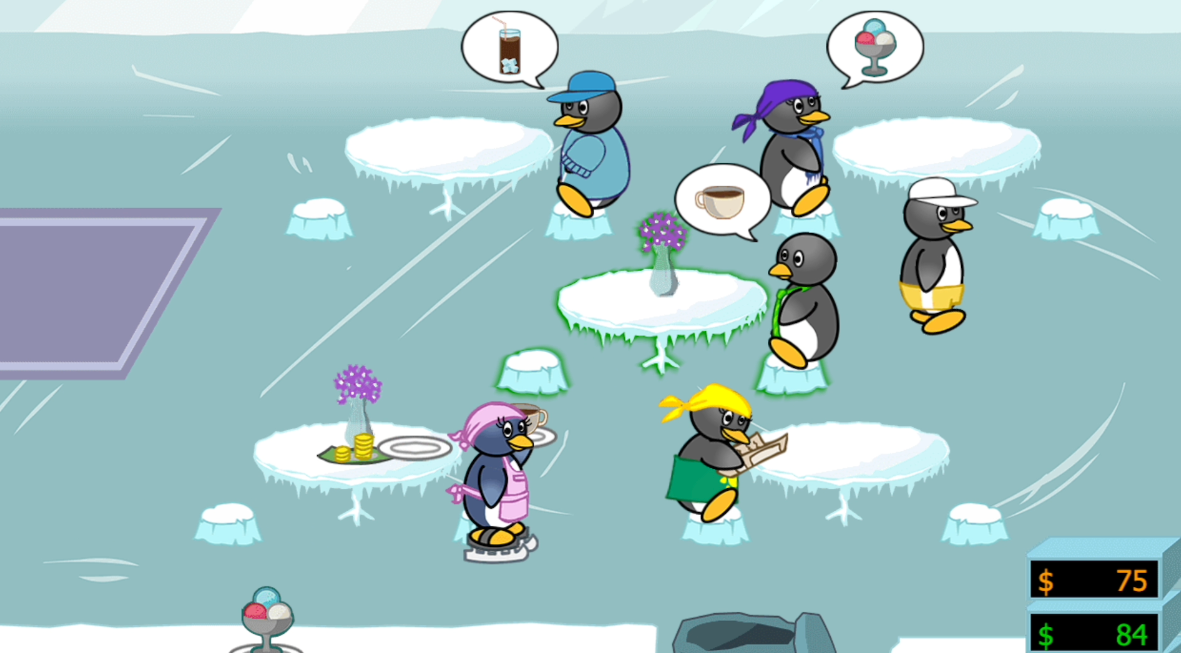
Pengu Sport has ignited a lively dialogue among its players, with feedback flowing through various online platforms and social media channels. Many players appreciate the game’s dynamic graphics and novel mechanics, praising its ability to engage both casual and competitive audiences. However, some users convey concerns regarding matchmaking issues, citing an inconsistent experience in online games. The development team has proactively monitored these discussions, noting specific areas for improvement. Community feedback indicates a strong desire for more customization options and diverse gameplay modes, which the developers may include in future updates. Overall, the discourse reflects a passionate player base aiming for a balanced gaming experience while emphasizing the importance of developer responsiveness to changing player needs.
Conclusion
To conclude, the developer insights for Pengu Sport sheds light on the game’s detailed design and the challenges encountered during its creation. By focusing on key gameplay mechanics and emphasizing community feedback, the developers show their commitment to enhancing the player experience. This uninterrupted dialogue between creators and players not only boosts the game’s appeal but also cultivates a vibrant and involved community. As Pengu Sport moves forward, it vows to deliver an progressively better experience for its players in the UK.